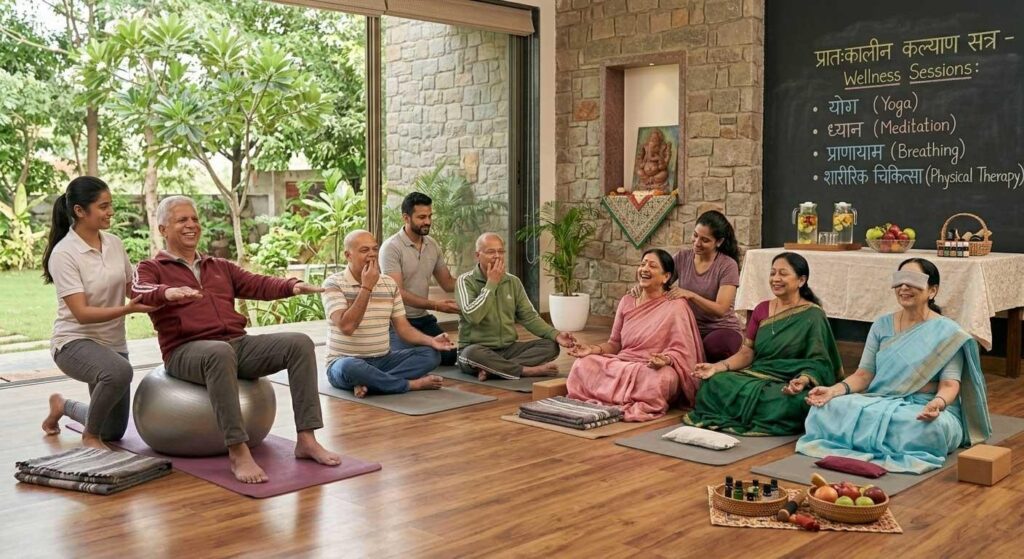
The Foundations of Healthy Living: A Sustainable Approach
Healthy living is rarely about a singular, drastic change. It is, instead, the cumulative effect of small, consistent choices made over time. For seniors, the goal of a healthy lifestyle is to extend not just your lifespan, but your healthspan—the number of years you spend living in good health, with full independence and vitality.
Focusing on these four pillars will help you cultivate a lifestyle that feels energized, balanced, and sustainable.
1. Intentional Movement
The body is designed for motion, and maintaining physical activity is the most effective way to preserve the functional ability to do the things you enjoy—whether that’s traveling, gardening, or keeping up with family.
- Consistency over Intensity: You don’t need high-impact exercise to see benefits. The “gold standard” is a blend of activities: walking for cardiovascular health, stretching for flexibility, and resistance training for bone density and muscle retention.
- Movement “Snacks”: If a 30-minute workout feels daunting, break it up. Three 10-minute sessions—a morning stretch, a midday walk, and an evening balance routine—provide the same cumulative health benefits while being easier to fit into your day.
2. Mindful Nutrition
As our metabolism naturally slows with age, the quality of what we consume becomes far more important than the quantity.
- Prioritize Protein: Maintaining muscle mass requires adequate protein intake. Include lean proteins like fish, legumes, eggs, or Greek yogurt in every meal to support strength and recovery.
- The “Colorful Plate” Rule: Aim to fill half your plate with vegetables and fruits. The wide variety of antioxidants and fiber found in colorful produce helps manage inflammation and supports long-term digestive health.
- The Thirst Factor: As we age, our natural thirst signals weaken. Don’t wait until you are thirsty to drink water. Keep a glass within reach at all times as a visual cue to stay hydrated.
3. Mental and Emotional Vitality
Healthy living is incomplete without a focus on the mind. Stress, loneliness, and lack of stimulation can impact your physical health just as much as poor diet or inactivity.
- Curiosity as a Tool: Keep your brain sharp by engaging in “cognitive play”—learning a new language, practicing a musical instrument, or taking up a new hobby. This creates new neural pathways and builds cognitive reserve.
- Emotional Resilience: Practices like mindfulness or gentle meditation can help regulate stress hormones, leading to better sleep and a more stable mood.
4. Restorative Sleep
Sleep is the time when the body repairs, cleanses the brain of toxins, and consolidates memory.
- The Sleep Environment: Optimize your bedroom for rest by keeping it cool, dark, and quiet.
- Consistency is Key: Try to keep a regular sleep-wake schedule, even on weekends. This helps stabilize your circadian rhythm, making it easier to fall asleep and wake up feeling refreshed. If you struggle with sleep, consult your healthcare provider to rule out underlying issues rather than relying on over-the-counter sleep aids.
The Bottom Line
Healthy living in your golden years is an ongoing practice of self-respect. It’s about listening to what your body needs today, forgiving yourself for yesterday, and planning for the longevity you deserve. When you focus on movement, nutrition, mental engagement, and rest, you aren’t just adding years to your life—you are adding life to your years.